The Largest Medical Claims Database in the Nation Is Powering a Revolution in Healthcare
Learn why traditional methods of cost containment are no longer tenable and how you can tap into a new solution that is changing the economics of healthcare.
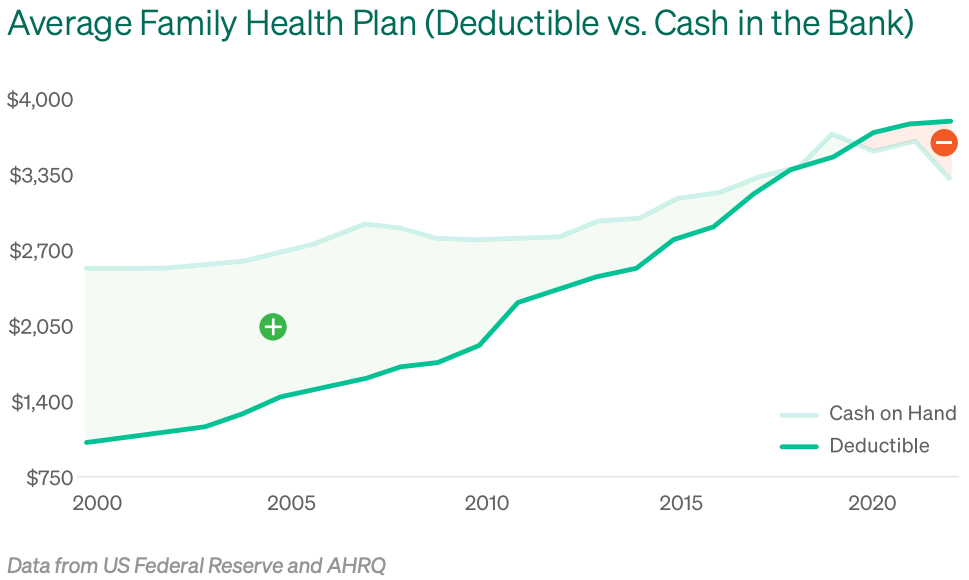
For 30 years, employers have responded to rising healthcare costs the same way: shift more of the burden to employees. Higher deductibles. Higher premiums. Higher copays. That playbook has run its course. The average deductible on a family health plan now exceeds the cash that family has on hand, which means there is no more headroom to shift.
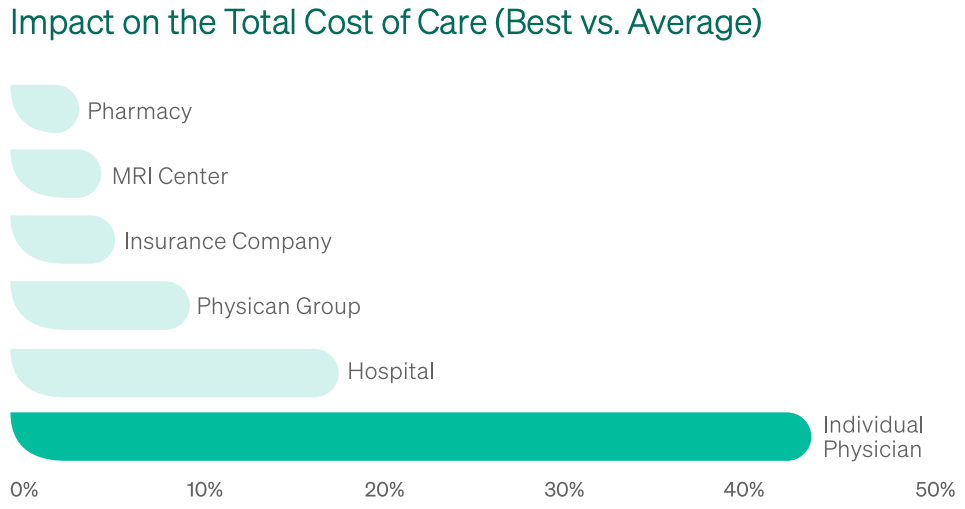
If cost-shifting is no longer an option, what is? Garner analyzed the care journeys of more than 310 million patients across the largest claims dataset in the country, and the answer is surprising: the biggest cost lever in any plan isn't the network, the carrier, or the plan design. It's the individual doctor each employee sees.
The individual doctor accounts for more cost variation than every other factor combined
Healthcare cost variation gets attributed to all sorts of factors: hospital, insurance company, pharmacy, MRI center. Garner's analysis across more than 310 million patients shows the individual physician outweighs every other factor combined.
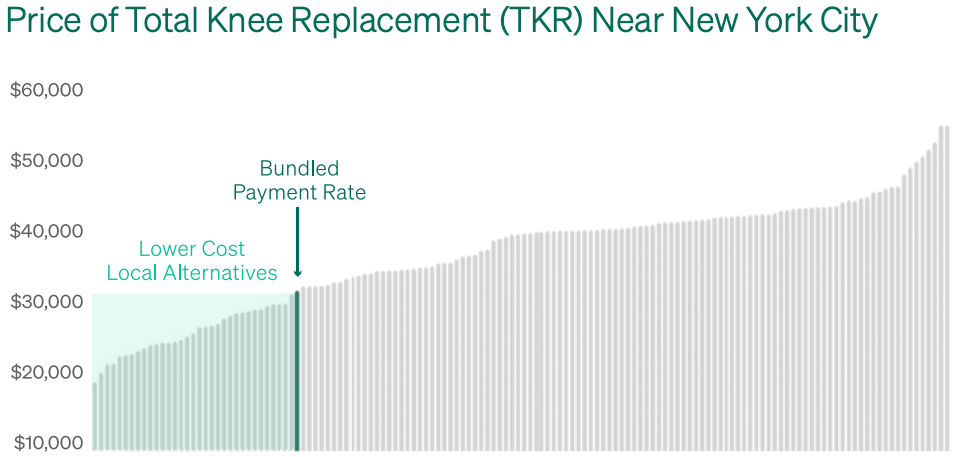
A single example: a total knee replacement in New York City can range from roughly $10,000 to over $50,000 within the same insurance network, depending on which doctor the patient sees. The average employer can save nearly $20,000 per knee replacement just by identifying top-performing providers in the existing network. No travel. No bundled-payment vendor.
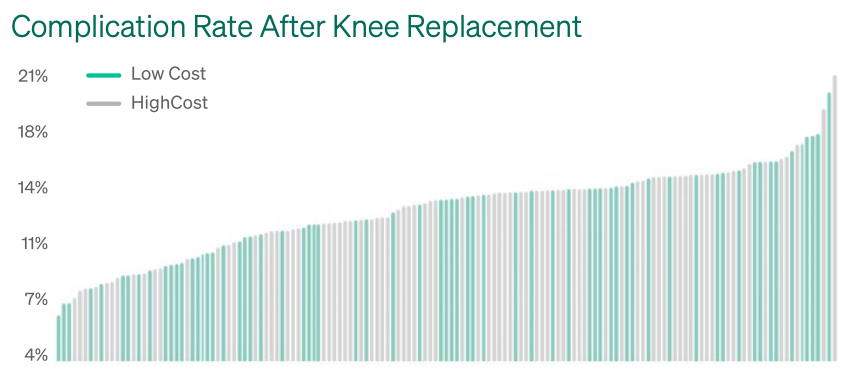
And the difference isn't just in cost. Complication rates after major procedures vary widely by each individual doctor, too, and the data shows there are many doctors with low complication rates and low costs available within the same network. Garner applies this analysis across over 500 clinical and financial metrics, 82 subspecialties, and more than a million doctors.
The engagement gap most cost-containment strategies can't close
Identifying the best-performing doctors is one problem. Getting employees to see them is another. Narrow networks and centers of excellence can be successful at changing member behavior but require deep plan disruption and don't capture variation at the individual physician level. Care navigation tools are less disruptive, but they've struggled with very low engagement.
Garner takes a different approach. It combines more accurate doctor analytics, a Concierge-based member experience, and a financial incentive that covers employees' out-of-pocket expenses when they see a high-performing doctor in their existing network. The incentive sits on top of any self-funded or fully insured plan, with no network changes required. Across employer clients, 43% of employees use Garner to find a doctor each year, contributing to plan savings of 10-20%.
For employers, the math illustrates the potential plan-wide savings: employees who see a Garner-recommended provider generate 27% lower costs per episode of care on average. The cost containment shows up episode by episode, without disrupting the underlying plan.
Inside How Better Data and Incentives Can Enrich Benefits and Combat Rising Healthcare Costs:
- The full factor-by-factor breakdown of cost variation across more than 310 million patient care journeys
- Charts showing how complication rates and costs both vary by individual doctor in the same network
- An employer case study: one fully insured group restructured around this model, cut overall plan cost 16%, and gave their employees a zero-dollar effective deductible
- Garner's full results across plan savings, member savings per episode, employee engagement, and member satisfaction